Understanding Soluble Fibre
Published February 2026
What is Soluble Fibre?
Soluble fibre is a type of dietary fibre that dissolves in water. When it comes into contact with water in the digestive tract, it forms a gel-like substance. This physical property distinguishes it from insoluble fibre and influences how it behaves in the body.
Chemical Characteristics
Soluble fibre includes various types of plant compounds such as pectins, gums, and certain hemicelluloses. These substances have molecular structures that allow them to interact with water molecules, creating viscous solutions. Different types of soluble fibre have varying degrees of viscosity and fermentability.
Food Sources of Soluble Fibre
Many common foods contain soluble fibre. Understanding where it is found can help you recognise these foods in everyday contexts.
Grains and Cereals
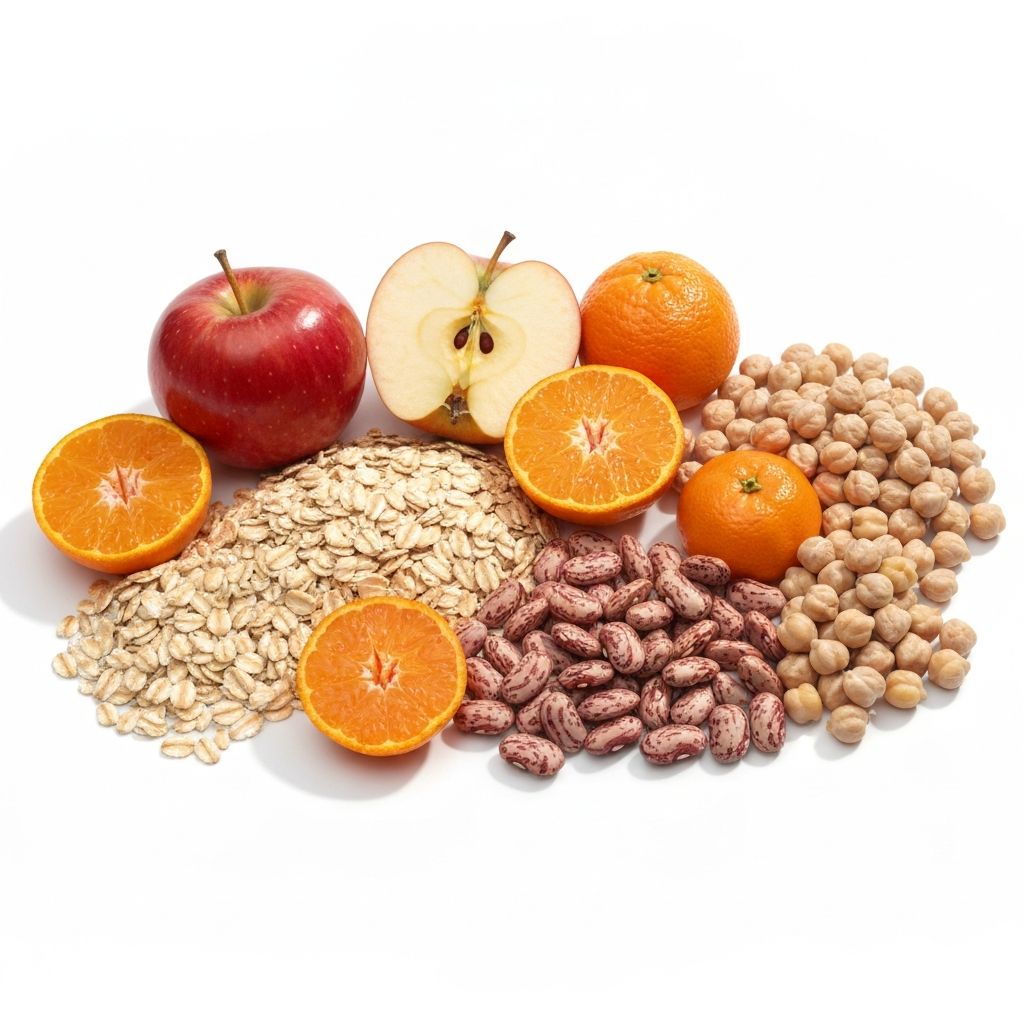
Oats and barley are particularly rich in soluble fibre, specifically a type called beta-glucan. Oatmeal, oat bran, and barley-based products contain significant amounts of this fibre type.
Fruits
Apples, citrus fruits such as oranges and grapefruits, pears, and berries contain soluble fibre. The pectin in these fruits is a well-known form of soluble fibre.
Legumes
Beans, lentils, and peas are excellent sources of soluble fibre. These foods contain both soluble and insoluble fibre in varying proportions.
Vegetables
Carrots, Brussels sprouts, and sweet potatoes contain soluble fibre alongside other nutritional components.
How Soluble Fibre Interacts with Digestion
When soluble fibre enters the digestive system, it absorbs water and forms a gel. This gel moves through the stomach and small intestine at a slower pace compared to non-fibre components. In the large intestine, soluble fibre can be fermented by gut bacteria, producing various compounds as byproducts of this fermentation process.
The gel-forming property affects the rate at which the stomach empties its contents into the small intestine. This can influence how quickly nutrients are absorbed and how long one feels satiated after eating.
Fermentation Process
Soluble fibre serves as food for beneficial bacteria in the colon. During fermentation, these bacteria break down the fibre, producing short-chain fatty acids and gases. The fermentation process and its byproducts play various roles in gut physiology, though individual responses can vary.
Soluble Fibre in Dietary Context
Soluble fibre is one component of overall dietary patterns. Its presence in foods contributes to the texture, structure, and nutritional profile of meals. Foods rich in soluble fibre often contain other beneficial nutrients such as vitamins, minerals, and antioxidants.
It is important to understand that soluble fibre does not work in isolation. Its effects are part of a complex interaction of dietary components, lifestyle factors, and individual physiology. Responses to soluble fibre intake can differ based on the specific type of fibre, the amount consumed, and individual digestive characteristics.
Educational Information Only
This article provides educational information about soluble fibre and does not constitute nutrition or medical advice. Individual dietary needs vary significantly, and decisions about food choices should be made in consultation with qualified professionals. The information presented here explains concepts and does not recommend specific dietary changes or promise particular outcomes.